Picture this: I’m standing in my kitchen at midnight, a half‑finished pot of tomato‑based pasta sauce simmering on the stove, and a sudden craving for something that feels both comforting and daring. I grabbed a jar of chili powder, a splash of sour cream, and—without thinking—dumped the whole thing into the pan. The result? A sauce that hit my palate like a warm hug from a long‑lost friend, but with a cheeky kick that made me sit up straight and say, “Whoa, that’s bold!” I dared a friend to try it, and she immediately begged for seconds, which, honestly, I didn’t mind because I’d already eaten half the batch before anyone else could even get a spoon.
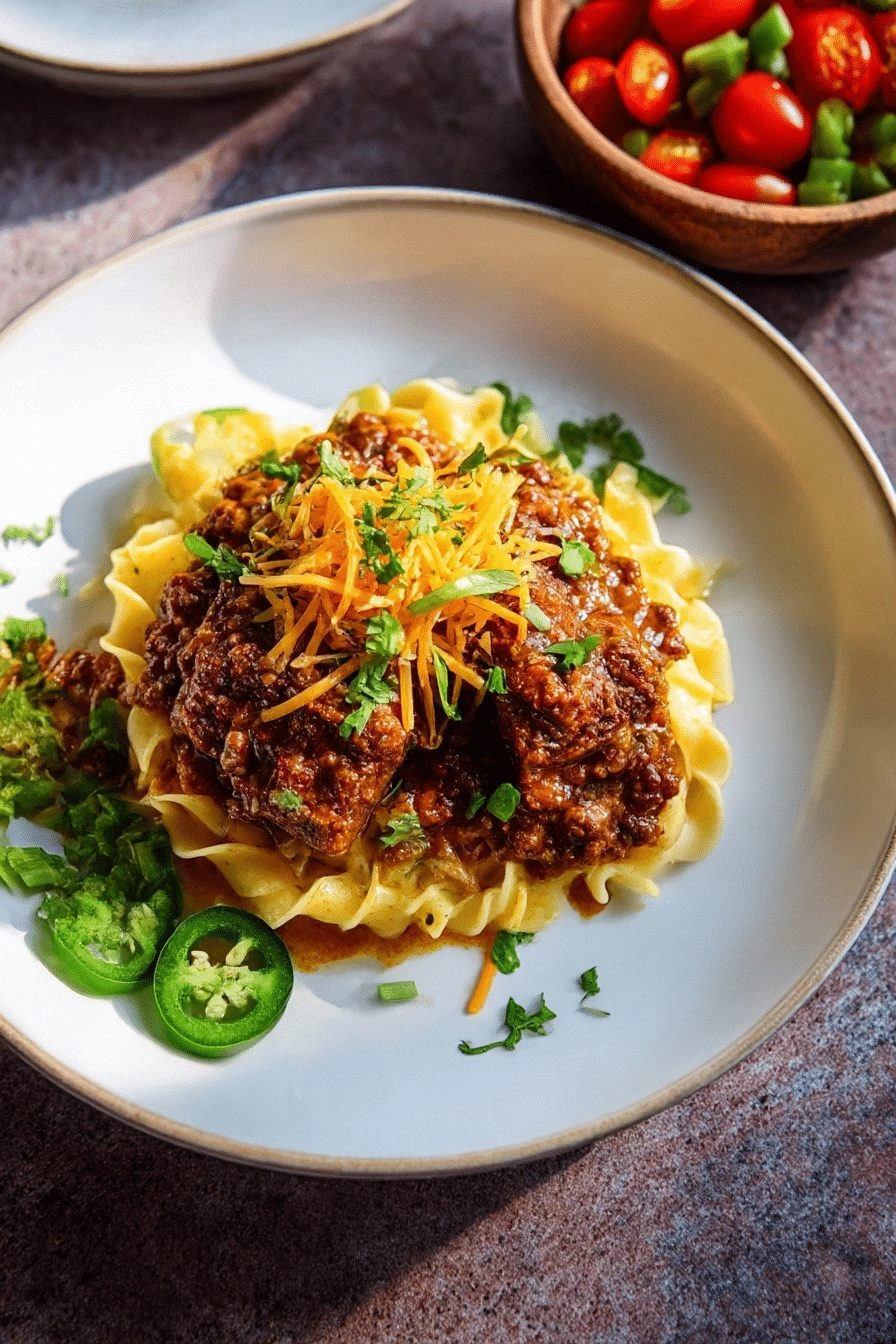
The kitchen was alive with the sound of sizzling butter and the faint pop of spices hitting the hot pan. The air filled with a smoky, earthy aroma that reminded me of a backyard barbecue mixed with the creamy indulgence of classic stroganoff. My senses were on high alert: the glossy, reddish‑brown sauce clung to the noodles like velvet, the beef browned to a perfect caramel, and the faint heat from the chilies tingled my nose in the most satisfying way. I could almost taste the buttery richness before the first bite, and the texture—silky, thick, and just a hint of chew—was nothing short of magical.
Most chili‑stroganoff recipes I’ve tried either drown the dish in tomato sauce or skip the creamy component altogether, leaving you with a flavor that feels one‑dimensional. This version, however, balances the heat, the tang, and the creaminess in a way that makes each forkful feel like a celebration. I’m talking about a sauce that coats the pasta like a silk sheet, yet still has those satisfying, slightly crispy bits of beef that shatter like thin ice when you bite into them. The secret? A quick slurry of flour and butter that creates a roux, plus a surprise dash of Worcestershire sauce that adds umami depth you never saw coming.
And now, the fun part. I’m about to walk you through every single step—down to the exact moment you should hear the sizzle that tells you you’re on the right track. By the end, you’ll wonder how you ever made this dish any other way. Okay, ready for the game‑changer?
What Makes This Version Stand Out
- Flavor Fusion: The marriage of chili powder’s smoky heat with the tangy richness of sour cream creates a layered taste that evolves with each bite.
- Texture Balance: A velvety sauce meets caramelized beef edges that give a subtle crunch, keeping the mouthfeel interesting.
- Simplicity: Despite the depth of flavor, the ingredient list is short and the steps are straightforward—no fancy gadgets required.
- Unique Twist: Worcestershire sauce adds a hidden umami boost that most recipes completely miss.
- Crowd‑Pleaser: I’ve served this at potlucks and families gatherings; it consistently disappears within minutes.
- Ingredient Quality: Using fresh, high‑fat ground beef and real sour cream makes a noticeable difference in richness.
- One‑Pot Wonder: Everything cooks in the same pan, which means fewer dishes and more time to enjoy the result.
- Make‑Ahead Friendly: This dish tastes even better the next day after the flavors have had time to meld.
Inside the Ingredient List
The Flavor Base
Ground Beef (1 lb): This is the heart of the dish, providing that meaty, umami backbone. Choose an 80/20 blend for the perfect balance of flavor and juiciness. If you skip the beef, the dish loses its savory depth and becomes a one‑dimensional chili sauce. A lean turkey or plant‑based crumble can substitute, but expect a milder taste.
Onion (1 medium, diced): Onions bring a subtle sweetness that counters the heat from the chili powder. Sweat them low and slow until they turn translucent; this releases natural sugars without caramelizing too hard. Skipping the onion will make the sauce taste flat, and the texture will suffer.
Garlic (2 cloves, minced): Garlic adds aromatic sharpness that brightens the overall flavor profile. Add it after the onions have softened, letting it sizzle for just 30 seconds—any longer and it turns bitter. If you’re a garlic lover, feel free to double it; just remember it will dominate the nose.
Chili Powder (2 tbsp): This is the star that gives the dish its name and its signature kick. I use a smoked variety for an extra layer of depth. Too much can overpower the cream, so measure carefully—this is where the balance lives.
Smoked Paprika (1 tsp): The smoky notes echo the chili powder while adding a beautiful ruby hue. It’s the secret behind that restaurant‑style color. If you don’t have smoked paprika, regular sweet paprika works, but you’ll lose the subtle smokiness.
The Texture Crew
Flour (2 tbsp): Flour is the silent hero that thickens the sauce without making it gummy. When whisked with butter to form a roux, it creates a silky base that clings to the noodles. Skipping it will leave you with a watery, soup‑like consistency.
Butter (2 tbsp): Butter enriches the sauce and helps the roux develop a nutty aroma. Use unsalted butter so you can control the salt level later. If you’re dairy‑free, substitute with a plant‑based butter, but the flavor will shift slightly.
Egg Noodles (8 oz): Traditional stroganoff calls for egg noodles, and they’re perfect here because they soak up the sauce while retaining a pleasant bite. Cook them al dente; overcooked noodles become mushy and won’t hold the sauce well.
The Unexpected Star
Sour Cream (1 cup): This is the creamy component that mellows the heat and adds a luxurious tang. Add it off the heat to prevent curdling—this is where the magic happens. If you substitute Greek yogurt, you’ll get a slightly tangier profile and a thicker texture.
Tomato Paste (1 tbsp): Tomato paste deepens the color and adds a concentrated umami punch. It also balances the acidity from the broth. Skipping it will make the sauce taste thin and less robust.
Beef Broth (1 cup): The broth deglazes the pan, lifting all the caramelized bits stuck to the bottom. Use low‑sodium broth so you can season later without over‑salting. A mushroom broth works as a vegetarian alternative, but the beef flavor will be less pronounced.
The Final Flourish
Worcestershire Sauce (1 tsp): This adds a hidden layer of depth—think of it as the secret handshake of great sauces. It’s a tiny amount, but it makes a world of difference. If you’re avoiding anchovies, leave it out; the dish will still be delicious, just missing that umami nuance.
Salt & Black Pepper (to taste): Seasoning at the end lets you fine‑tune the balance. Taste as you go; the sauce should be savory, slightly spicy, and just a touch tangy.
Cayenne (pinch, optional): For those who love a serious heat wave, a pinch of cayenne sends the flavor soaring. Use sparingly—this is a micro‑challenge: I dare you to taste this and not go back for seconds.
Everything's prepped? Good. Let's get into the real action…
The Method — Step by Step
-
Heat a large, heavy‑bottomed skillet over medium‑high heat and melt the butter. Once it foams, add the flour and whisk vigorously for about 2 minutes until it turns a light golden color and smells nutty. This roux is the foundation for a sauce that coats the pasta like velvet. Watch for the edges pulling away from the pan—that's your cue to move on.
Kitchen Hack: Keep the whisk in one hand and the spatula in the other; this lets you control the roux texture without splatter. -
Push the roux to the side of the pan, increase the heat to medium, and add the ground beef. Break it up with a wooden spoon, letting it brown evenly. As the meat releases its juices, you’ll hear a satisfying sizzle that signals caramelization. Cook until the beef is no longer pink, about 6‑8 minutes, and then drain any excess fat if you prefer a lighter sauce.
-
Add the diced onion to the pan, stirring it into the beef and roux. Cook for 4‑5 minutes until the onion becomes translucent and starts to soften. Then toss in the minced garlic and let it perfume the mixture for 30 seconds—be careful not to burn it, or you’ll end up with a bitter bite.
Watch Out: Over‑cooking garlic turns it bitter; keep the heat moderate and listen for a faint hissing sound, not a roar. -
Stir in the chili powder, smoked paprika, and tomato paste. Let the spices toast for about 1 minute, allowing their oils to release. You’ll notice a deep, earthy aroma filling the kitchen—this is the moment of truth where the flavor foundation is built.
-
Deglaze the pan with the beef broth, scraping up any browned bits stuck to the bottom. Those bits are flavor gold, and they’ll dissolve into the liquid, creating a richer base. Bring the mixture to a gentle simmer, then reduce the heat to low.
Watch Out: If the sauce bubbles too hard, it can separate; keep it at a gentle simmer. -
Stir in the Worcestershire sauce, then gradually fold in the sour cream, making sure the heat is low enough to prevent curdling. The sauce will turn a luscious, creamy orange‑red hue. Taste and adjust salt and pepper now; the sauce should be savory with a gentle heat that makes your tongue tingle.
Kitchen Hack: Add the sour cream off the heat and whisk quickly; this prevents it from splitting and keeps the sauce glossy. -
While the sauce simmers, cook the egg noodles in a separate pot of salted boiling water until al dente, about 7‑8 minutes. Drain and set aside, reserving a splash of the noodle water.
-
Combine the cooked noodles with the sauce, tossing gently to ensure every strand is coated. If the sauce looks a tad thick, add a splash of the reserved noodle water to loosen it. Let everything sit for 2 minutes so the flavors meld, then serve hot, garnished with a sprinkle of fresh parsley if you like.
That’s it — you did it. But hold on, I’ve got a few more tricks that'll take this to another level…
Insider Tricks for Flawless Results
The Temperature Rule Nobody Follows
Never add the sour cream over a rolling boil. High heat will cause the dairy to separate, leaving you with a curdled mess. Keep the sauce at a low simmer, and you’ll get that silky texture that makes the dish feel restaurant‑grade. I once tried to speed things up by turning the heat up—let’s just say the sauce turned into a grainy nightmare.
Why Your Nose Knows Best
Before you taste, trust the aroma. If you smell a deep, smoky fragrance with a hint of tang, you’re on the right track. If the scent leans too much toward raw garlic or raw flour, something’s off. Use your nose as a checkpoint; it’s often more reliable than a timer.
The 5‑Minute Rest That Changes Everything
After mixing the noodles and sauce, let the dish rest uncovered for five minutes. This short pause lets the noodles absorb the sauce fully, resulting in a creamier bite. Skipping this step leaves you with noodles that sit on top of the sauce, rather than becoming one harmonious entity.
Seasoning in Layers
Season at three points: after browning the beef, after adding the broth, and finally before serving. This layered approach builds depth and prevents a flat final taste. If you only season at the end, the salt won’t have time to dissolve and integrate.
Optional Heat Boost
If you love fire, finish the dish with a drizzle of hot chili oil just before plating. The oil adds a glossy finish and a burst of heat that lifts the whole dish. Remember, a little goes a long way—this is a micro‑challenge: can you handle the extra kick?
Creative Twists and Variations
This recipe is a playground. Here are some of my favorite ways to switch things up:
Tex‑Mex Stroganoff
Swap the smoked paprika for chipotle powder and add a handful of black beans. The result is a smoky, hearty dish that pairs perfectly with avocado slices.
Vegetarian Delight
Replace ground beef with crumbled tempeh or a mix of mushrooms and lentils. The earthy flavors still shine, and the sauce clings to the plant‑based proteins just as well.
Creamy Coconut Twist
Use full‑fat coconut milk instead of sour cream for a dairy‑free, slightly sweet version. Add a splash of lime juice at the end for brightness.
Spicy Korean Fusion
Introduce gochujang (Korean chili paste) and a dash of sesame oil. Garnish with toasted sesame seeds and scallions for an Asian‑inspired kick.
Herb‑Infused Elegance
Stir in fresh thyme and rosemary during the simmering stage. The herbs add an aromatic layer that makes the dish feel upscale without extra effort.
Storing and Bringing It Back to Life
Fridge Storage
Transfer leftovers to an airtight container and refrigerate for up to 3 days. The sauce may thicken as it cools; simply reheat gently and stir in a splash of water or broth to loosen it.
Freezer Friendly
This dish freezes beautifully. Portion into freezer‑safe bags or containers, leaving a little headspace for expansion, and store for up to 2 months. Thaw overnight in the fridge, then reheat on the stove, adding a splash of water to revive the sauce’s silkiness.
Best Reheating Method
Reheat over low heat on the stovetop, stirring frequently. Add a tiny splash of water or broth before the sauce reaches a boil; this steams the noodles back to perfection and prevents drying out.