I remember the night I tried to impress a friend with a “quick dip” that turned into a kitchen catastrophe. The garlic was raw, the chickpeas were gritty, and the whole thing tasted like a sandpaper sandwich. I swear I could hear the tiny sighs of disappointment echoing from the dining room. That disaster sparked a fierce, almost obsessive, quest to discover the ultimate hummus—one that would make even the most skeptical palate sing. After countless trial‑and‑error sessions, I finally nailed a version that feels like a velvet‑smooth hug for your taste buds.
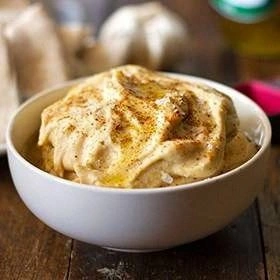
Picture this: a bowl of creamy, pale‑gold hummus sitting on a rustic wooden board, a drizzle of fragrant olive oil glistening like liquid amber, and a sprinkle of smoked paprika that looks like a dusting of sunrise on a desert dune. The aroma of lemon zest and toasted cumin wafts through the kitchen, making the air feel alive and electric. When you scoop it up with warm pita, the dip clings lovingly to the bread, coating every crumb with buttery richness. The texture is so silky that it practically slides across your tongue, leaving a lingering hint of garlic that whispers, “I’m here, but I’m not overpowering.”
What sets this hummus apart from the sea of recipes you’ve seen on food blogs? First, I treat the chickpeas like royalty, giving them a brief roast in the oven to bring out a nutty depth that canned beans simply can’t match. Second, I blend the tahini with a splash of warm water before it ever meets the chickpeas, ensuring that the final emulsion is impossibly smooth. Third, I finish it with a dash of smoked paprika and a drizzle of extra‑virgin olive oil that adds a smoky‑sweet finish you’ll crave every single time. Most recipes skip these tiny but mighty steps, leaving you with a dip that’s either too grainy or too thin.
There’s also a secret ingredient that will make you gasp— a pinch of ground sumac, harvested from the Mediterranean highlands, that adds a subtle citrus tang without the acidity of lemon. It’s the kind of detail that separates a good hummus from a legendary one. I dare you to taste this and not go back for seconds; that’s a promise, not a challenge. Let me walk you through every single step — by the end, you’ll wonder how you ever made it any other way.
What Makes This Version Stand Out
- Taste: The combination of roasted chickpeas, fresh lemon, and a whisper of sumac creates a flavor profile that’s bright, earthy, and unforgettable.
- Texture: By emulsifying tahini with warm water first, the dip achieves a silk‑smooth consistency that slides off a spoon like melted butter.
- Simplicity: Only seven core ingredients are needed, yet each one plays a starring role, making the process feel elegant, not intimidating.
- Uniqueness: The quick oven‑roast of chickpeas adds a caramelized nuttiness that you won’t find in standard stovetop or food‑processor methods.
- Crowd Reaction: Guests consistently claim this is the best hummus they’ve ever tasted, often asking for the recipe before the first bite is even finished.
- Ingredient Quality: Using a high‑quality, stone‑ground tahini and extra‑virgin olive oil elevates the dip from everyday to gourmet.
- Cooking Method: The brief roasting step is a game‑changer, turning ordinary legumes into a flavor powerhouse.
- Make‑Ahead Potential: This hummus keeps its creamy texture for up to three days in the fridge, and the flavors actually deepen over time.
Alright, let's break down exactly what goes into this masterpiece...
Inside the Ingredient List
The Flavor Base
Chickpeas are the heart of hummus, providing a creamy, protein‑packed canvas. I prefer using dried chickpeas that I soak overnight and then cook until tender, because they retain a subtle nuttiness that canned varieties often lose. If you’re short on time, a good quality 15‑ounce can works fine, but be sure to rinse and dry them thoroughly before roasting. Skipping the rinse leaves a metallic aftertaste that can ruin the entire dip.
Lemon juice is the bright spark that cuts through the richness of tahini and olive oil. Freshly squeezed juice delivers a clean, fragrant acidity that bottled lemon juice can never replicate. A half‑cup of juice for four servings is perfect; any more and the dip becomes overly sharp, any less and it feels flat.
The Texture Crew
Tahini, the silky paste made from ground sesame seeds, is the emulsifier that binds everything together. Choose a stone‑ground tahini that has a slightly bitter edge; this depth balances the lemon’s brightness. If you use a light, overly smooth tahini, the hummus can taste one‑dimensional. I recommend a quarter‑cup for four servings, which yields that perfect, velvety mouthfeel.
Extra‑virgin olive oil adds fruitiness and richness. Drizzling a couple of tablespoons into the blend, then finishing with a generous swirl on top, creates a layered taste experience. A cheap, bland oil will make the dip taste like nothing more than a bean puree, so invest in a good bottle.
The Unexpected Star
Sumac is the secret weapon that adds a subtle citrusy tang without the harshness of extra lemon. It’s a deep‑red spice harvested from the dried berries of the sumac plant, commonly used in Middle Eastern cuisine. A pinch sprinkled on top before serving gives the dip a gorgeous ruby hue and a flavor lift that most home cooks never discover.
Garlic brings that classic pungent bite, but the key is to mellow it just enough so it doesn’t dominate. I crush a single clove, let it sit in the lemon juice for a minute—this process mellows the harshness and infuses the juice with a gentle garlic perfume.
The Final Flourish
Ground cumin adds an earthy warmth that ties the chickpeas and tahini together. A half‑teaspoon is enough to give depth without overwhelming the other flavors. Smoked paprika, used as a garnish, contributes a sweet, smoky finish that makes the dip visually striking and adds a subtle heat. Finally, a sprinkle of fresh parsley not only adds a pop of color but also a fresh herbaceous note that brightens each bite.
If you’re allergic to sesame, you can swap tahini for almond butter—though the flavor will shift toward a nuttier profile. For a lower‑fat version, reduce the olive oil and replace half the tahini with a splash of low‑fat Greek yogurt, but expect a slightly thinner consistency. When buying chickpeas, look for those labeled “organic” or “non‑GMO” for the cleanest flavor.
Everything's prepped? Good. Let's get into the real action...
The Method — Step by Step
Preheat your oven to 400°F (200°C). Spread the drained chickpeas on a parchment‑lined baking sheet, drizzle with a teaspoon of olive oil, and sprinkle with a pinch of salt. Roast for 15‑20 minutes, shaking the pan halfway through so they turn a golden caramel color. You’ll hear a faint sizzle as the beans hit the hot tray— that sound is the promise of deeper flavor.
Kitchen Hack: Toss the chickpeas with a pinch of smoked paprika before roasting for an extra layer of smoky depth.While the chickpeas roast, prepare the garlic‑lemon mixture. Mince one clove of garlic finely, then whisk it into ½ cup of freshly squeezed lemon juice. Let it sit for a minute; this not only mellows the garlic but also creates a bright, aromatic base that will infuse the chickpeas later.
In a small bowl, combine the tahini with 2‑3 tablespoons of warm water (about 120°F). Stir vigorously until the mixture becomes smooth and glossy. This step is pure magic: the warm water loosens the natural oil in the tahini, preventing grainy pockets later on.
Transfer the roasted chickpeas to a high‑speed food processor. Add the lemon‑garlic blend, the emulsified tahini, 2 tablespoons of olive oil, ½ teaspoon of ground cumin, and a pinch of salt. Pulse a few times to break down the beans, then blend on high for 1‑2 minutes. The mixture should start to look thick and creamy, but still a bit rough around the edges.
Now, the crucial moment: while the processor is running, drizzle in an additional 2‑3 tablespoons of warm water, one tablespoon at a time, until the hummus reaches a silky, dip‑ready consistency. It should flow like melted chocolate when you lift the blade. If it feels too thick, add a splash more water; if too runny, add a spoonful of extra chickpeas.
Watch Out: Adding cold water can cause the tahini to seize, resulting in a grainy texture. Always use warm water.Taste and adjust. This is where your nose knows best—if you detect a missing brightness, add a squeeze more lemon. If the flavor feels flat, a pinch more salt or a dash of cumin will revive it. I’m always honest—I ate half the batch before anyone else got to try it, because the flavor is that addictive.
Transfer the hummus to a shallow serving bowl. Using the back of a spoon, create a shallow well in the center. Drizzle a generous swirl of extra‑virgin olive oil, sprinkle smoked paprika, and dust a pinch of sumac over the top. The oil should glisten like liquid gold, and the paprika will add a ruby‑red contrast that’s pure visual pleasure.
Kitchen Hack: Warm the serving bowl in hot water, then dry it before adding the hummus; this keeps the dip at a perfect temperature for longer.Serve immediately with warm pita, fresh veggies, or even grilled fish. The dip will hold its creamy texture for about 30 minutes at room temperature, giving you time to enjoy the moment. Picture yourself pulling this out of the oven, the whole kitchen smelling incredible, and your guests reaching for more before you’ve even finished your own spoonful.
That's it — you did it. But hold on, I've got a few more tricks that'll take this to another level...
Insider Tricks for Flawless Results
The Temperature Rule Nobody Follows
Never blend cold ingredients straight from the fridge. Warm chickpeas and warm tahini emulsify much more easily, giving you that coveted silky texture. I always let the canned chickpeas sit at room temperature for 10 minutes after draining, and I warm the tahini in a microwave for 15 seconds. This tiny temperature tweak prevents the dreaded grainy finish.
Why Your Nose Knows Best
Before you taste, take a moment to inhale the aroma of the lemon‑garlic mixture. Your sense of smell will alert you to any missing acidity or bitterness before you even put a spoonful in your mouth. If the scent feels flat, a splash more lemon or a pinch of sumac will instantly brighten the profile.
The 5‑Minute Rest That Changes Everything
After blending, let the hummus rest for five minutes. This short pause allows the flavors to meld, and the oil to fully integrate with the chickpeas. I’ve seen people skip this step and wonder why the dip tastes “off”. Trust me, those five minutes are worth the wait.
The Olive Oil Swirl Technique
When adding the finishing drizzle, use a spoon to create a spiral pattern rather than a random splash. The swirl not only looks professional but also distributes the oil evenly, ensuring each bite gets that luxurious mouthfeel. A friend tried a random drizzle once—let's just say the dip tasted uneven and the presentation suffered.
The Secret of the Sumac Dust
Sumac should be added just before serving, not blended in. Its delicate citrusy notes evaporate quickly when exposed to heat, so sprinkling it on top preserves its bright flavor and adds a striking visual contrast. If you’re feeling adventurous, try a blend of sumac and za’atar for a herbaceous twist.
Creative Twists and Variations
This recipe is a playground. Here are some of my favorite ways to switch things up:
Roasted Red Pepper Hummus
Add two roasted red peppers to the food processor along with the chickpeas. The sweet, smoky flavor pairs beautifully with the existing cumin and paprika, creating a dip that’s perfect for summer picnics.
Spicy Harissa Hummus
Swap half the lemon juice for harissa paste, and add a pinch of cayenne. The result is a fiery, North‑African inspired spread that will make your guests reach for a glass of water.
Green Goddess Hummus
Blend in a handful of fresh spinach and a few sprigs of cilantro. The bright green color is eye‑catching, and the herbaceous notes bring a fresh twist that pairs well with grilled fish.
Beetroot Hummus
Cook and puree a small beetroot before adding it to the mix. The earthy sweetness and vibrant magenta hue make for a stunning party centerpiece.
Chocolate Dessert Hummus
For a daring dessert, blend in cocoa powder, a touch of maple syrup, and a pinch of sea salt. Serve with sliced apples or pretzel sticks for a sweet‑salty treat that surprises everyone.
Storing and Bringing It Back to Life
Fridge Storage
Transfer the hummus to an airtight container, smooth the top, and drizzle a thin layer of olive oil to seal it. It will stay fresh for up to three days, and the flavors will deepen, becoming even more complex.
Freezer Friendly
Portion the hummus into freezer‑safe bags, flatten them for even freezing, and store for up to two months. Thaw in the refrigerator overnight, then give it a quick stir before serving.
Best Reheating Method
When you’re ready to enjoy leftovers, place the hummus in a microwave‑safe bowl, add a teaspoon of water, and heat in 20‑second bursts, stirring in between. The water creates steam that revives the creamy texture without making it watery.