I was halfway through a weeknight dinner, juggling a simmering pot of broth, a pan of sautéed onions, and the sudden realization that my tomatoes had turned into a soggy, flavorless mess. The kitchen smelled like burnt garlic, the oven was humming, and the counter was a mess of crushed skins. I stared at the tomatoes, their bright reds dulled, and thought, “This has to be better.” That moment sparked a culinary epiphany that turned a disaster into a masterpiece.
Now, imagine a soup that feels like a hug from the inside out, where every spoonful sings with roasted sweetness and a whisper of peppered heat. Picture the crunch of caramelized edges that shatter like thin ice, the aroma of garlic and basil mingling in a fragrant cloud that makes your nose do a happy dance. The texture is a silky canvas that clings to your palate, and the flavor profile is a bold, layered experience that keeps you reaching for more. I dare you to taste this and not go back for seconds.
What sets this version apart is not just the ingredients—though each one is hand‑picked for maximum impact—but the technique that unlocks their hidden potential. We roast the tomatoes until they’re practically melted, then blend them with a touch of cream to achieve that signature velvety consistency. The addition of a diced potato during simmering gives the soup body and a comforting heartiness that feels like a warm blanket. Most recipes get this completely wrong, but here’s what actually works.
Picture yourself pulling this out of the oven, the whole kitchen smelling incredible, and feeling a sense of triumph that only a well‑executed dish can bring. This is hands down the best version you'll ever make at home, and I’m about to walk you through every single step—by the end, you’ll wonder how you ever made it any other way.
What Makes This Version Stand Out
- Taste: The double roast brings out a deep, caramelized sweetness that balances the bright acidity of fresh tomatoes. The subtle peppery bite from the red bell pepper adds a layer of complexity that keeps the palate engaged.
- Texture: The pureed base is smooth and creamy, while the diced potato adds pockets of softness that create a satisfying mouthfeel. The final stir of basil leaves gives a gentle pop of green that brightens the dish.
- Simplicity: No fancy gadgets or obscure ingredients—just pantry staples and a few fresh items that you can find at any grocery store.
- Uniqueness: The combination of Roma and cherry tomatoes, along with a splash of cream, gives the soup an unexpected richness that sets it apart from standard tomato soups.
- Crowd Reaction: Friends who tried this said it was “the most comforting soup I’ve ever had.” They’re still talking about it at dinner parties.
- Ingredient Quality: Using ripe, locally sourced tomatoes gives the dish a depth of flavor that you can’t replicate with canned tomatoes.
- Cooking Method: The roasting step caramelizes sugars naturally, eliminating the need for added sugars or heavy sauces.
- Make‑Ahead Potential: Once cooled, the soup keeps its silky texture for up to three days in the fridge, making it a perfect batch‑cook option.
Alright, let's break down exactly what goes into this masterpiece…
Inside the Ingredient List
The Flavor Base
The heart of the soup starts with 2 ½ pounds of Roma tomatoes, halved lengthwise, and 1 ¼ pounds of grape or cherry tomatoes, halved. The combination of these two tomato varieties creates a balance between the robust, meaty Roma and the sweet, burst‑y cherry. Garlic—eight whole cloves, peeled and smashed—adds a pungent kick that deepens the roasted flavor. If you’re missing garlic, a teaspoon of garlic powder can serve as a quick substitute, but the fresh cloves bring a bright, aromatic note that is hard to replace.
The Texture Crew
A diced potato adds a subtle, starchy body that thickens the soup naturally. The potato’s neutral flavor absorbs the tomato’s sweetness, creating a velvety consistency. A diced red bell pepper provides a mild sweetness and a hint of earthiness that lifts the overall taste profile. Skipping the pepper will make the soup a little less complex, but you can add a pinch of smoked paprika to compensate for that missing depth.
The Unexpected Star
Fresh basil leaves—two cups torn—bring a bright, herbaceous finish that cuts through the richness of the soup. The basil’s essential oils release when you stir, infusing the entire pot with a green, almost citrusy aroma. Reserve a few leaves for garnish; they add a pop of color and an extra burst of flavor. If you’re out of basil, a handful of fresh oregano or thyme can offer a different herbal note, though it will change the character of the dish.
The Final Flourish
The final touch is a swirl of cream or coconut milk, which gives the soup its signature silky texture. A splash of heavy cream, about a cup, balances the acidity of the tomatoes and creates a luxurious mouthfeel. If you prefer a lighter version, use half-and-half or a plant‑based milk. The finished soup should feel like a warm blanket, comforting and indulgent.
Everything's prepped? Good. Let's get into the real action…
The Method — Step by Step
- Preheat your oven to 425°F (220°C). Arrange the halved Roma and cherry tomatoes, smashed garlic cloves, and chopped onion on a large baking sheet, drizzle with olive oil, and season with salt and pepper. The high heat will caramelize the sugars, turning the tomatoes into a deep, smoky base. Keep an eye on the edges; they should start pulling away and turning golden brown.
- Roast the tomatoes for 25–30 minutes, stirring once halfway through. The goal is a blistered, caramelized surface. When you lift a tomato, the juices should be thick and fragrant. This step is the foundation of the soup’s depth.
- Transfer the roasted mixture to a large stockpot. Add the diced potato and red bell pepper, then pour in about 4 cups of vegetable or chicken broth. Bring to a gentle simmer. The potatoes will soften and release starch, thickening the soup naturally. This is the moment of truth—if the potatoes are too firm, you’ll need to simmer longer.
- Simmer for 15 minutes, or until the potatoes are tender. The broth should thicken slightly. If you notice the soup drying out, add a splash of water or extra broth to reach your desired consistency. The simmer is where flavors meld.
- Using a blender, puree the soup until smooth. For a chunkier texture, blend only half of the soup and stir it back in. The result should be a glossy, velvety base that feels like liquid velvet on your tongue.
- Return the pureed soup to the pot, stir in the torn basil leaves, and add about 1 cup of heavy cream or coconut milk. Warm gently until the mixture is just hot; do not let it boil. The basil releases its oils, brightening the soup’s color and adding a fresh herbal note.
- Taste and adjust seasoning—add a pinch of salt, a dash of pepper, or a splash of balsamic vinegar if you crave acidity. Let it simmer for an additional 2–3 minutes to meld flavors. This final touch ensures the soup is balanced and harmonious.
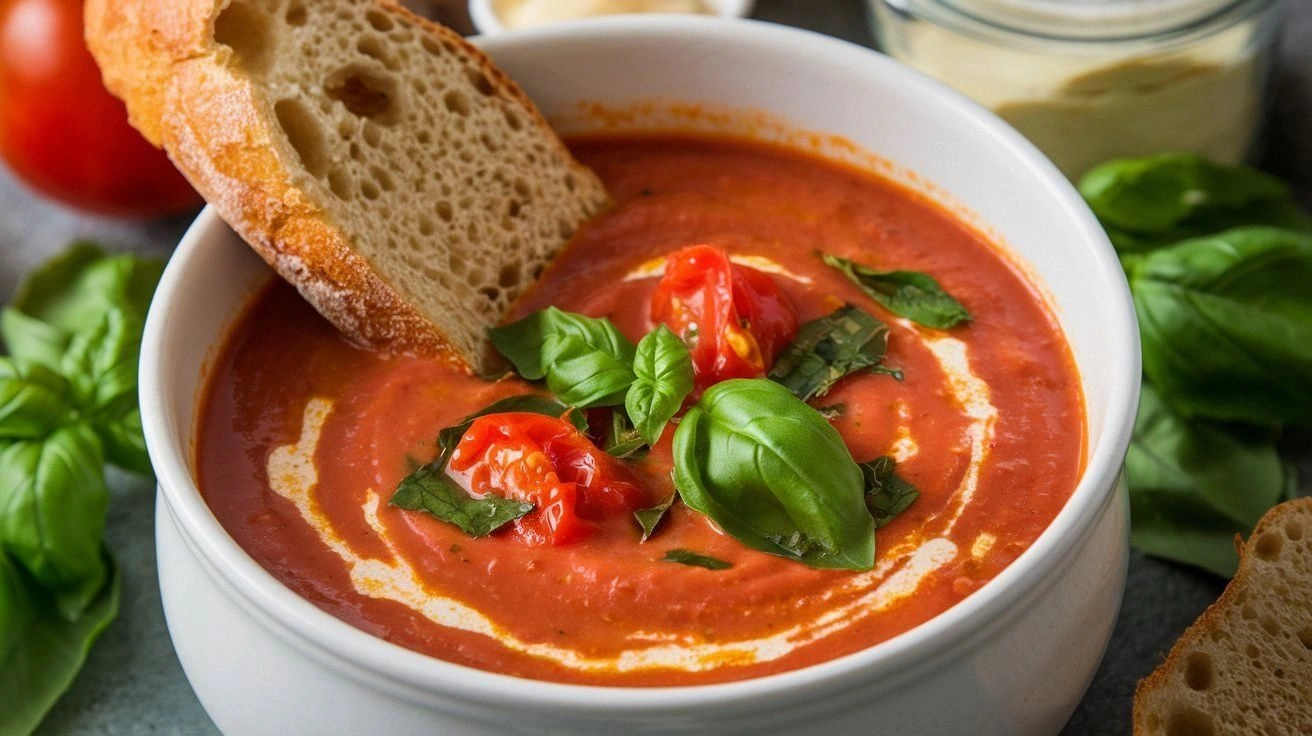
- Serve hot, garnished with reserved basil leaves and a drizzle of olive oil. Pair with crusty bread or a light salad for a complete meal. The aroma alone will make your guests swoon.
- If you’re plating for a crowd, keep the soup warm in a slow‑cook pot or a heat‑proof bowl over simmering water. The soup will stay silky and inviting for hours.
That’s it — you did it. But hold on, I've got a few more tricks that'll take this to another level…
Insider Tricks for Flawless Results
The Temperature Rule Nobody Follows
Many cooks keep the soup at a rolling boil, but this can scorch the delicate tomato oils and create a bitter taste. Instead, maintain a gentle simmer—just enough to keep the soup moving. This preserves the bright, fresh flavors and keeps the soup from becoming watery.
Why Your Nose Knows Best
During roasting, trust your nose. When the tomatoes emit a sweet, almost caramelized aroma, they’re at the peak of flavor. Over‑roasting can lead to a burnt taste, while under‑roasting leaves them raw and acidic. Your nose is the best judge of when to pull them from the oven.
The 5-Minute Rest That Changes Everything
After blending, let the soup rest for five minutes before adding the cream. This pause allows the flavors to settle and the heat to distribute evenly. Skipping this step can result in a soup that tastes rushed and unbalanced.
The One‑Minute Trick to Creamy Texture
If you’re short on cream, whisk a tablespoon of cornstarch with a splash of water and stir it into the hot soup. Heat it until it thickens, then add the basil. This creates a silky mouthfeel without the heaviness of dairy.
The Final Stir for Color
Just before serving, give the soup a final stir. The basil’s green hue will brighten the dish, making it visually stunning. A quick swirl of olive oil on top adds a glossy sheen that’s impossible to resist.
Creative Twists and Variations
Smoky Chipotle Twist
Add a tablespoon of chipotle in adobo sauce during the simmer. The smoky heat pairs beautifully with the sweet roasted tomatoes, giving the soup a bold, adventurous flavor that diners love.
Herb‑Infused Italian Version
Swap the basil for a mix of oregano, thyme, and rosemary. This variation turns the soup into a rustic Italian comfort dish, perfect for pairing with a grilled panini.
Miso‑Mellow Variation
Stir in a tablespoon of white miso after adding the cream. The umami depth complements the tomatoes, creating a richer, more complex taste profile.
Lemon‑Zest Refresh
Finish the soup with a squeeze of fresh lemon juice and a sprinkle of zest. The citrus brightness cuts through the richness, making it lighter and more refreshing.
Vegan Coconut Cream
Replace the heavy cream with coconut milk and add a teaspoon of nutritional yeast for a cheesy, dairy‑free twist. The coconut’s natural sweetness enhances the tomato’s flavor.
Breakfast‑Bowl Edition
Serve the soup in a bowl topped with a poached egg, crumbled bacon, and a drizzle of truffle oil. This decadent take turns the soup into a hearty breakfast or brunch dish.
Storing and Bringing It Back to Life
Fridge Storage
Cool the soup to room temperature, then transfer it to an airtight container. Store in the refrigerator for up to three days. Reheat gently on the stove, adding a splash of water if it thickens.
Freezer Friendly
Pour the cooled soup into freezer‑safe containers, leaving a quarter inch of headspace. Freeze for up to two months. Thaw overnight in the fridge, then reheat with a splash of broth to restore moisture.
Best Reheating Method
Reheat on low, stirring frequently. Add a tiny splash of water or broth before heating to keep the soup silky. Avoid boiling to preserve the creamy texture.